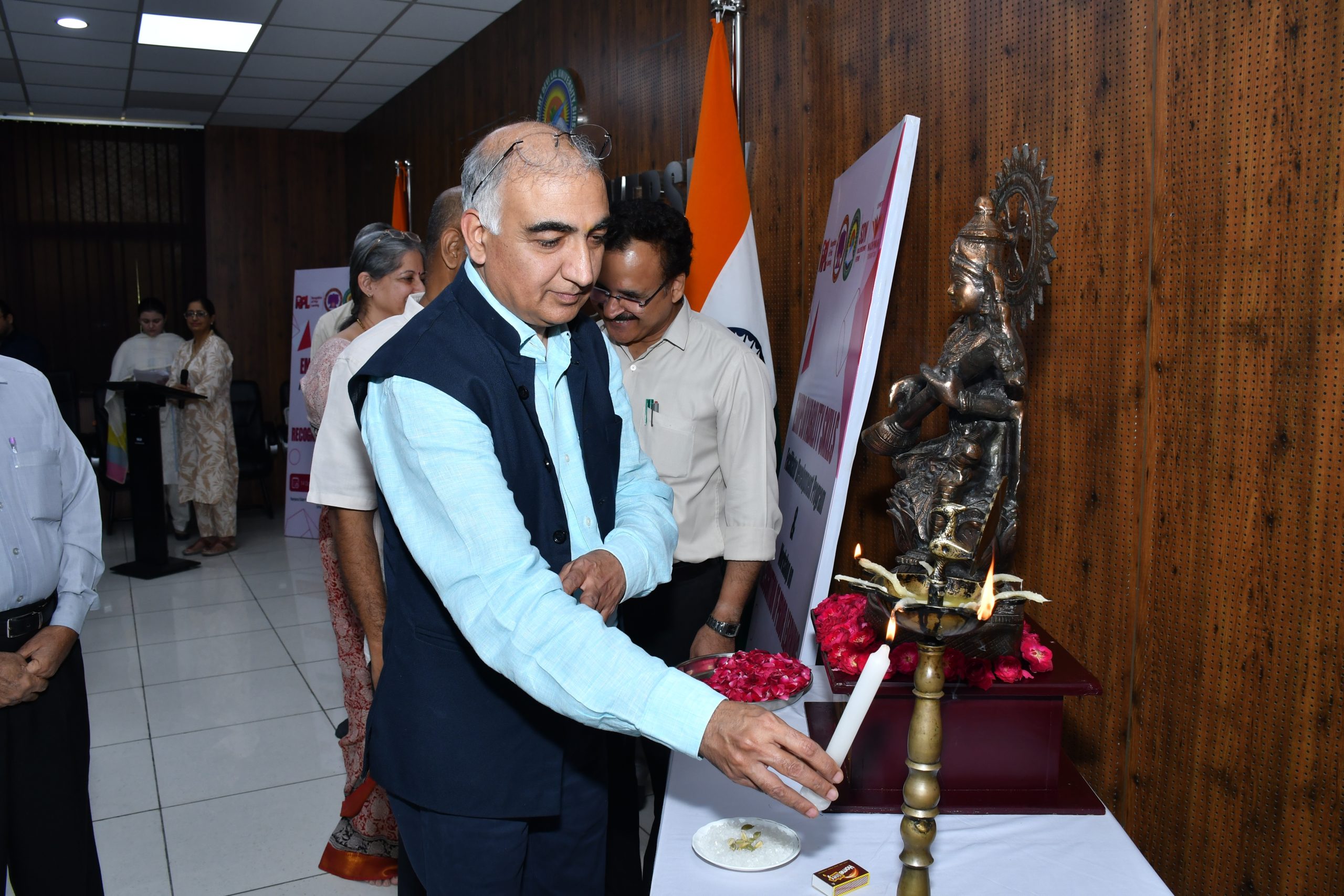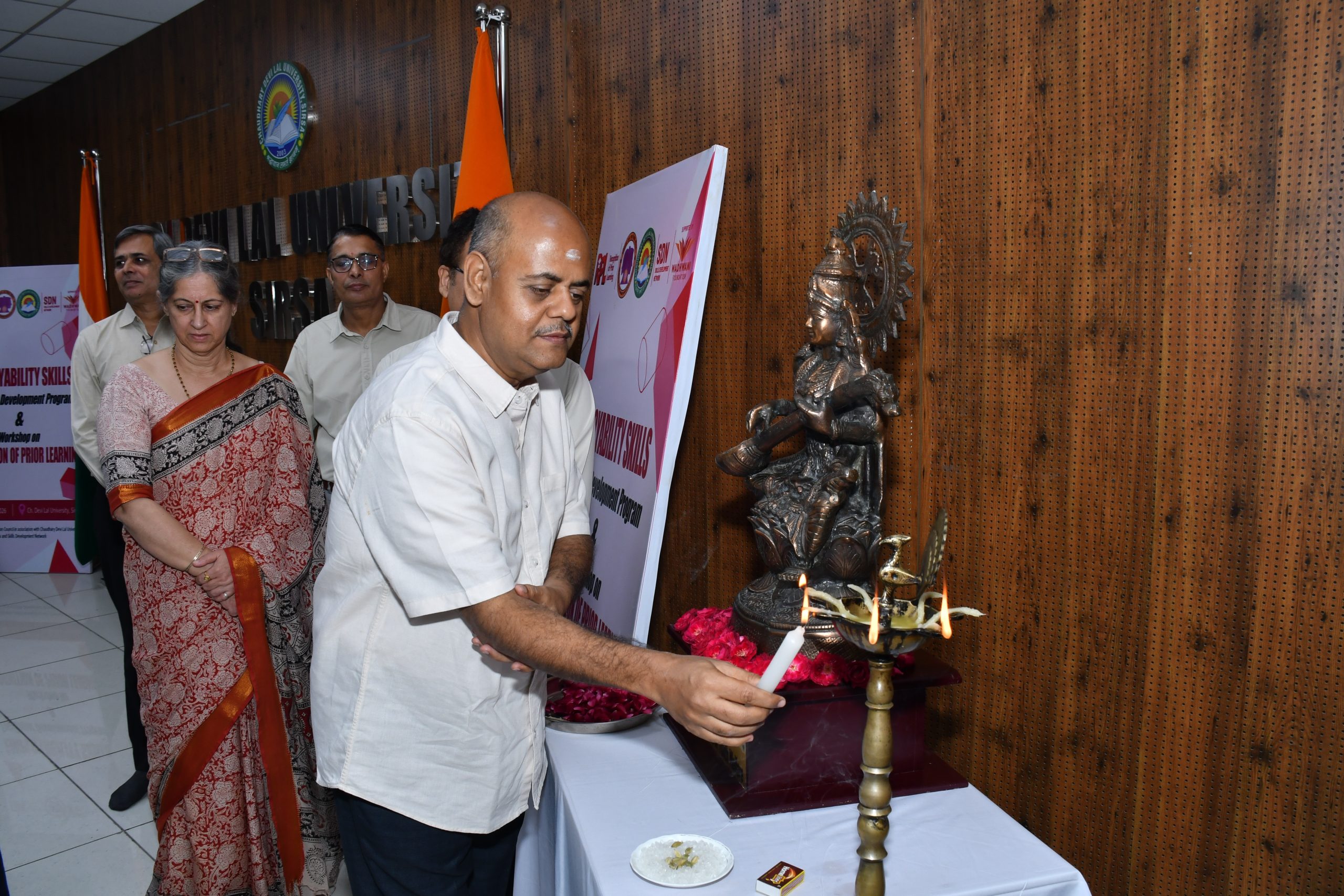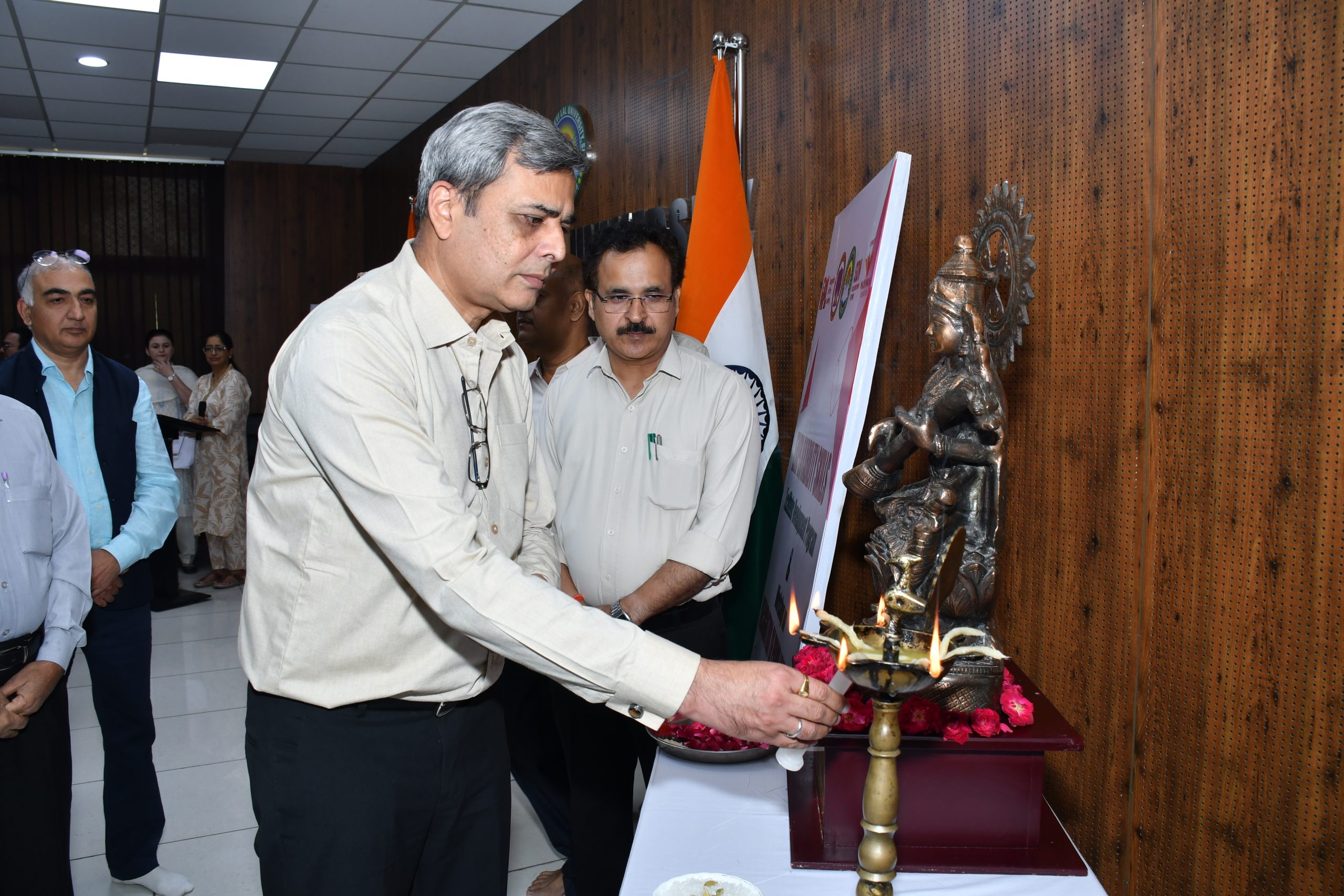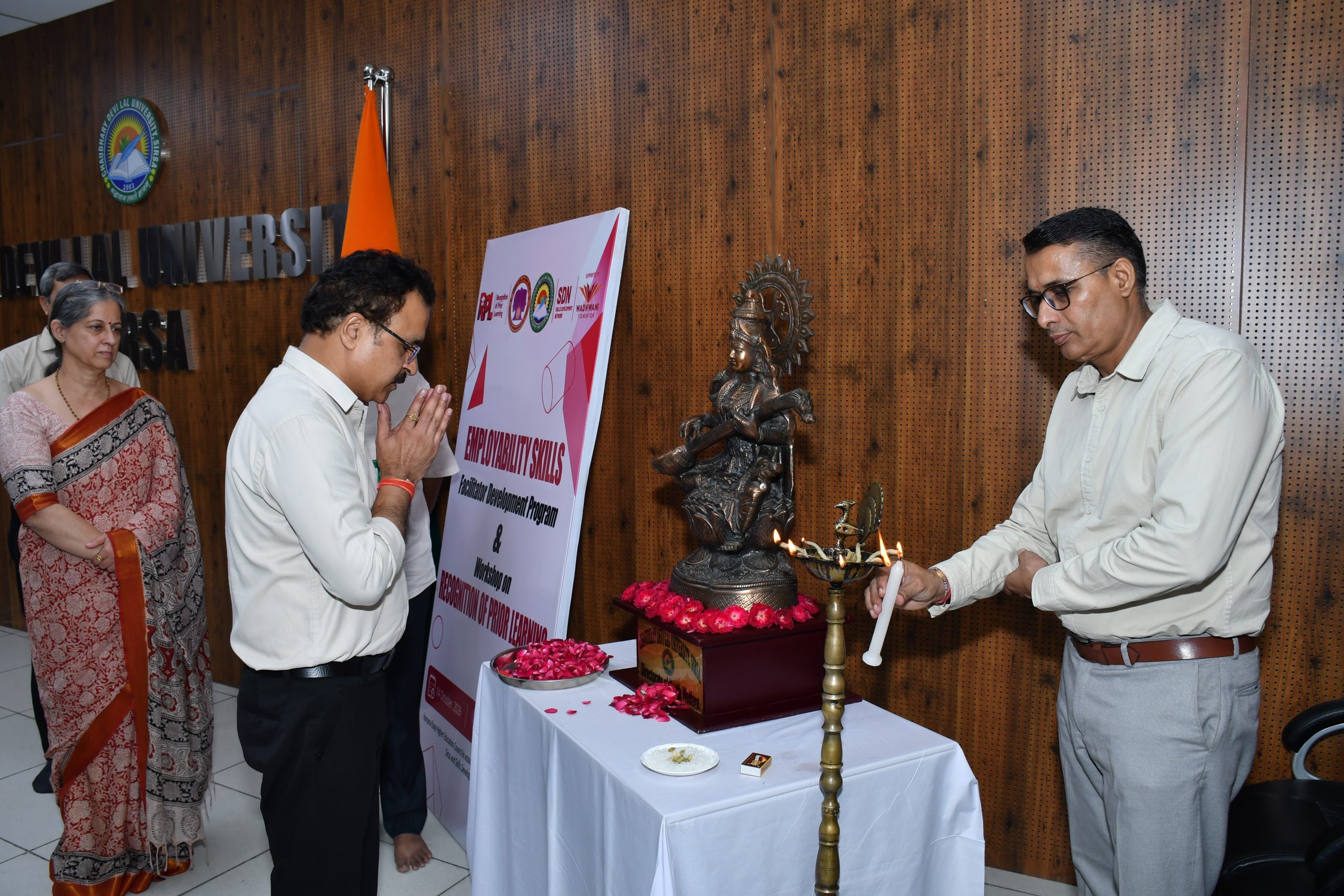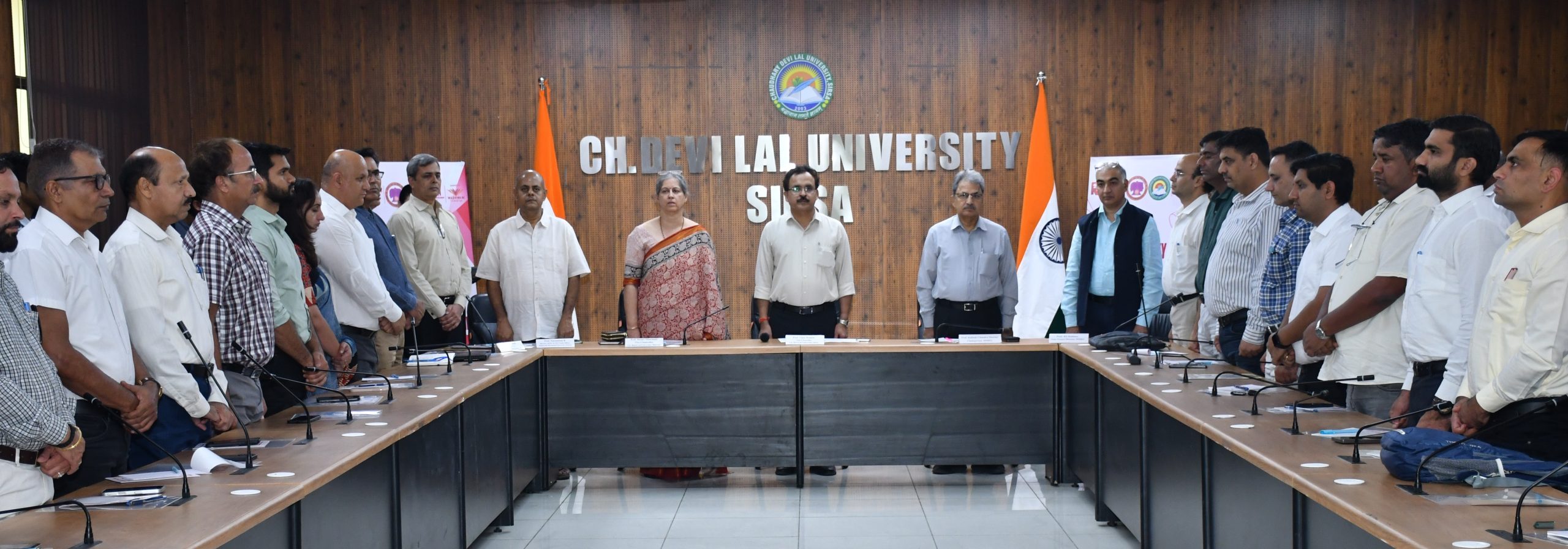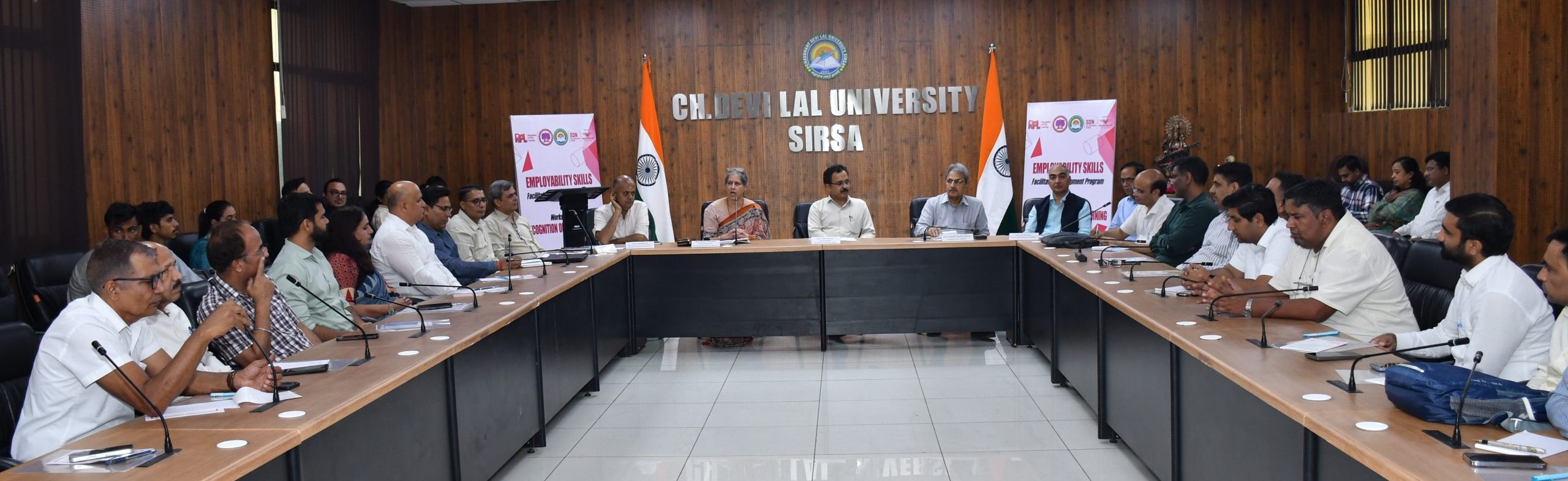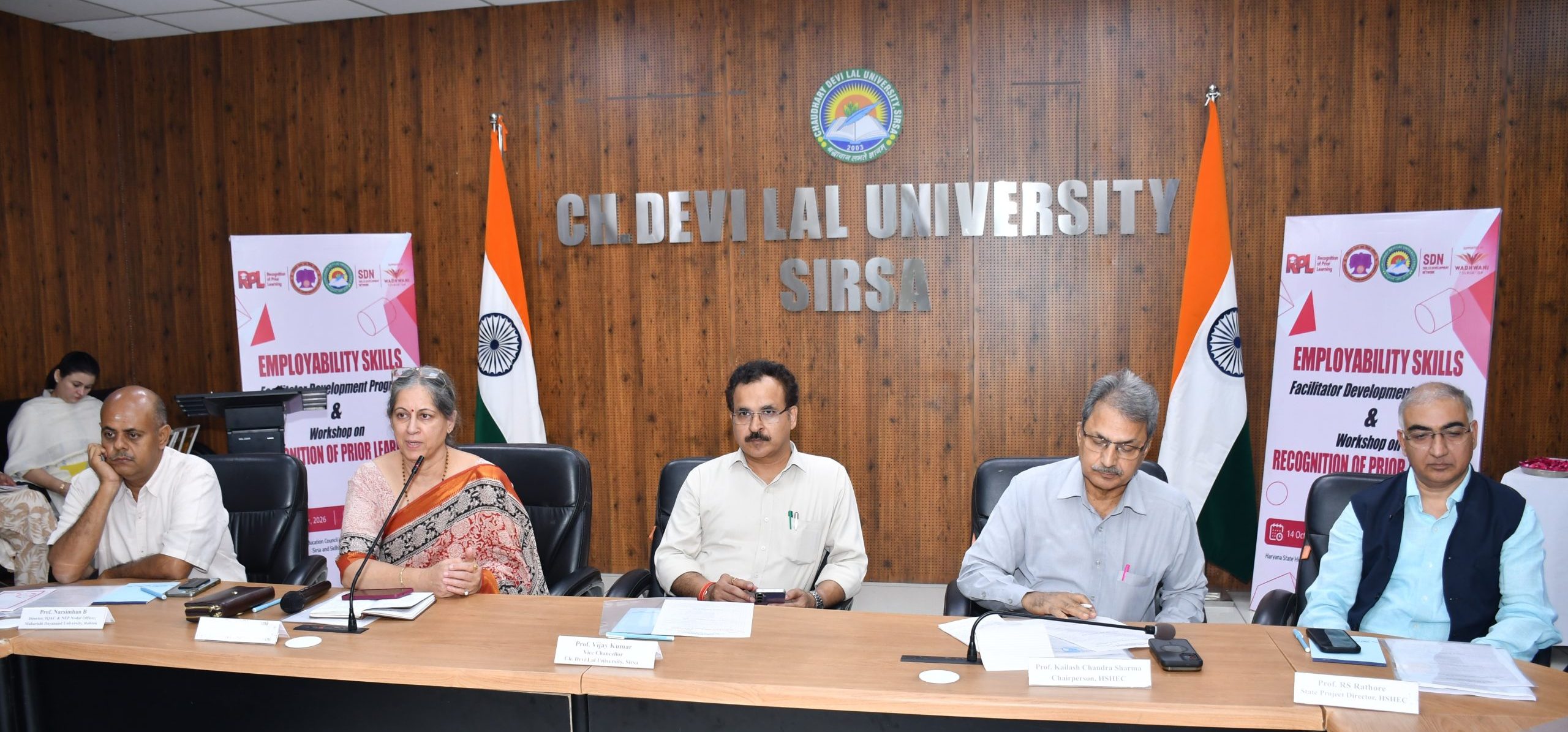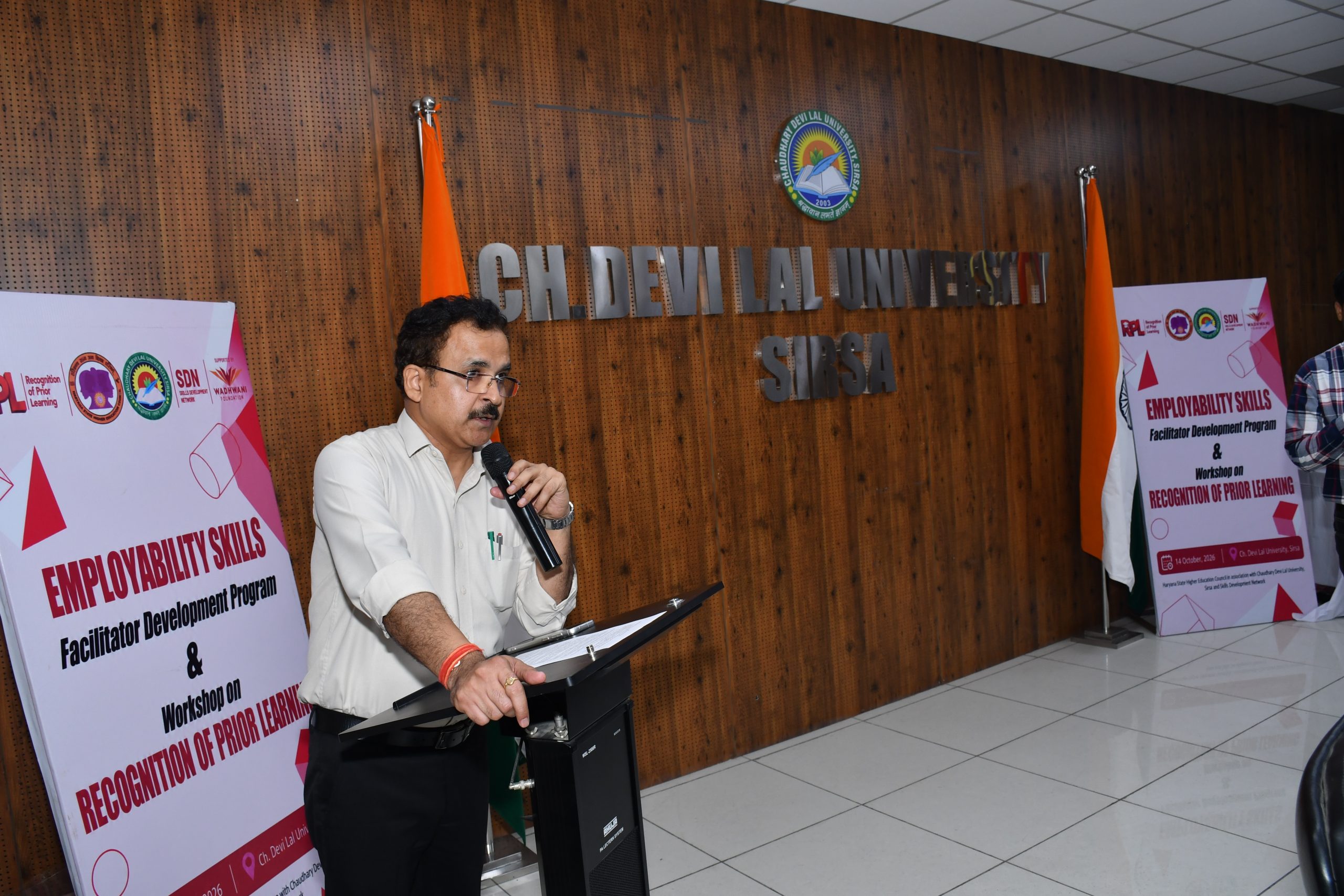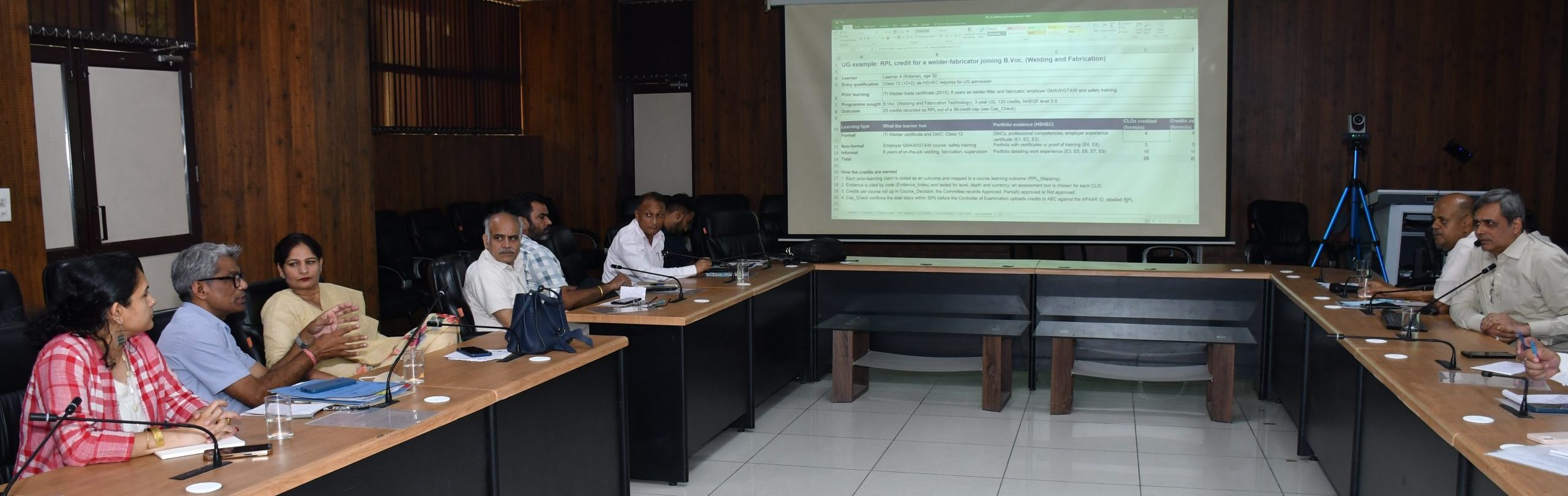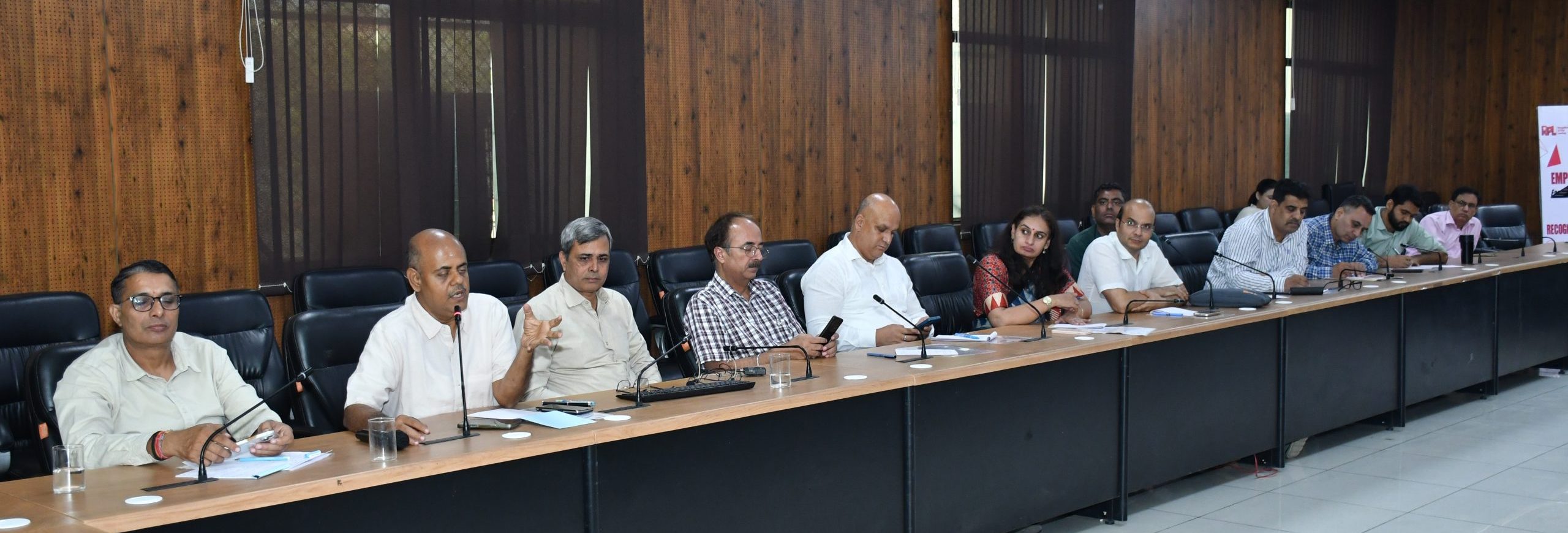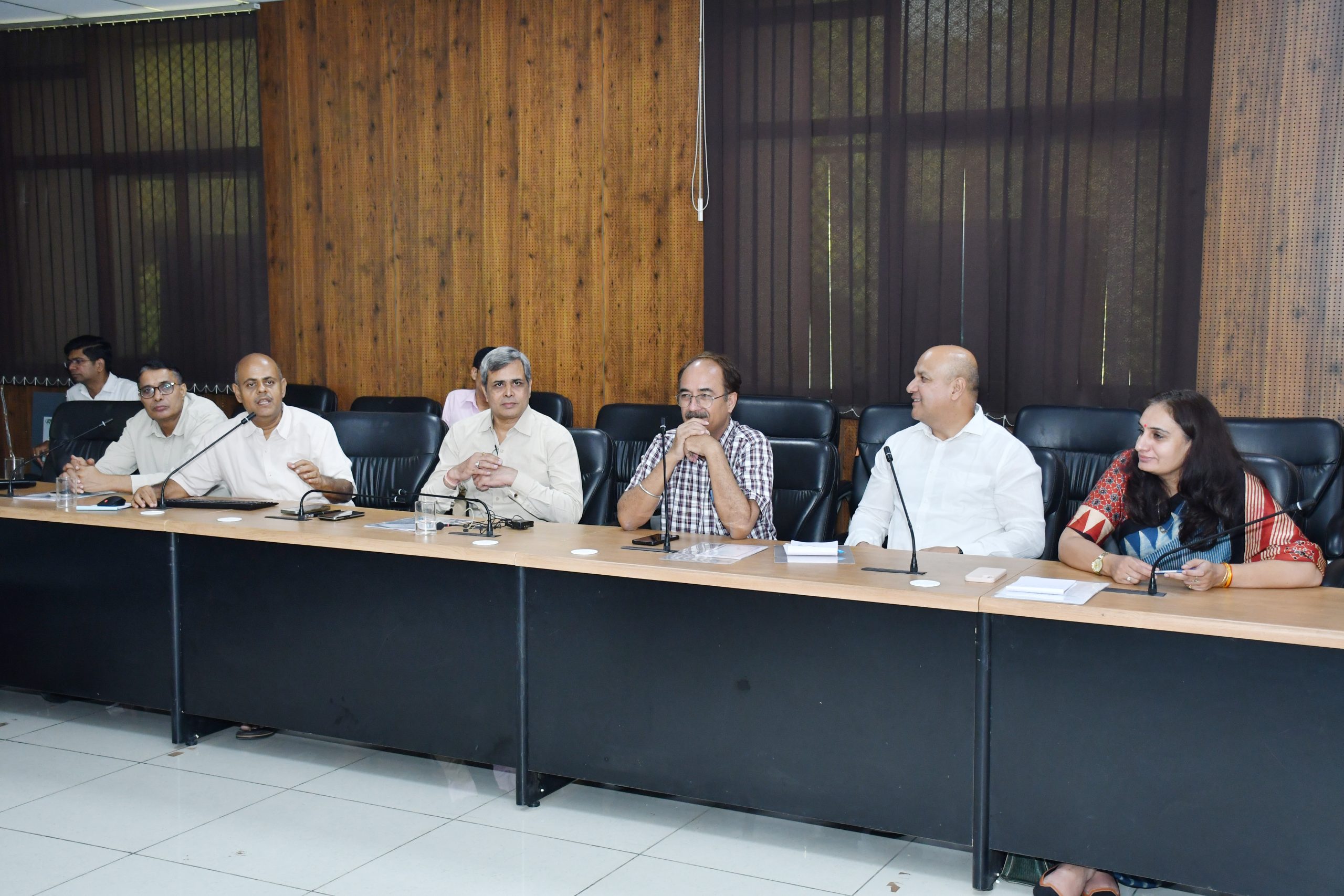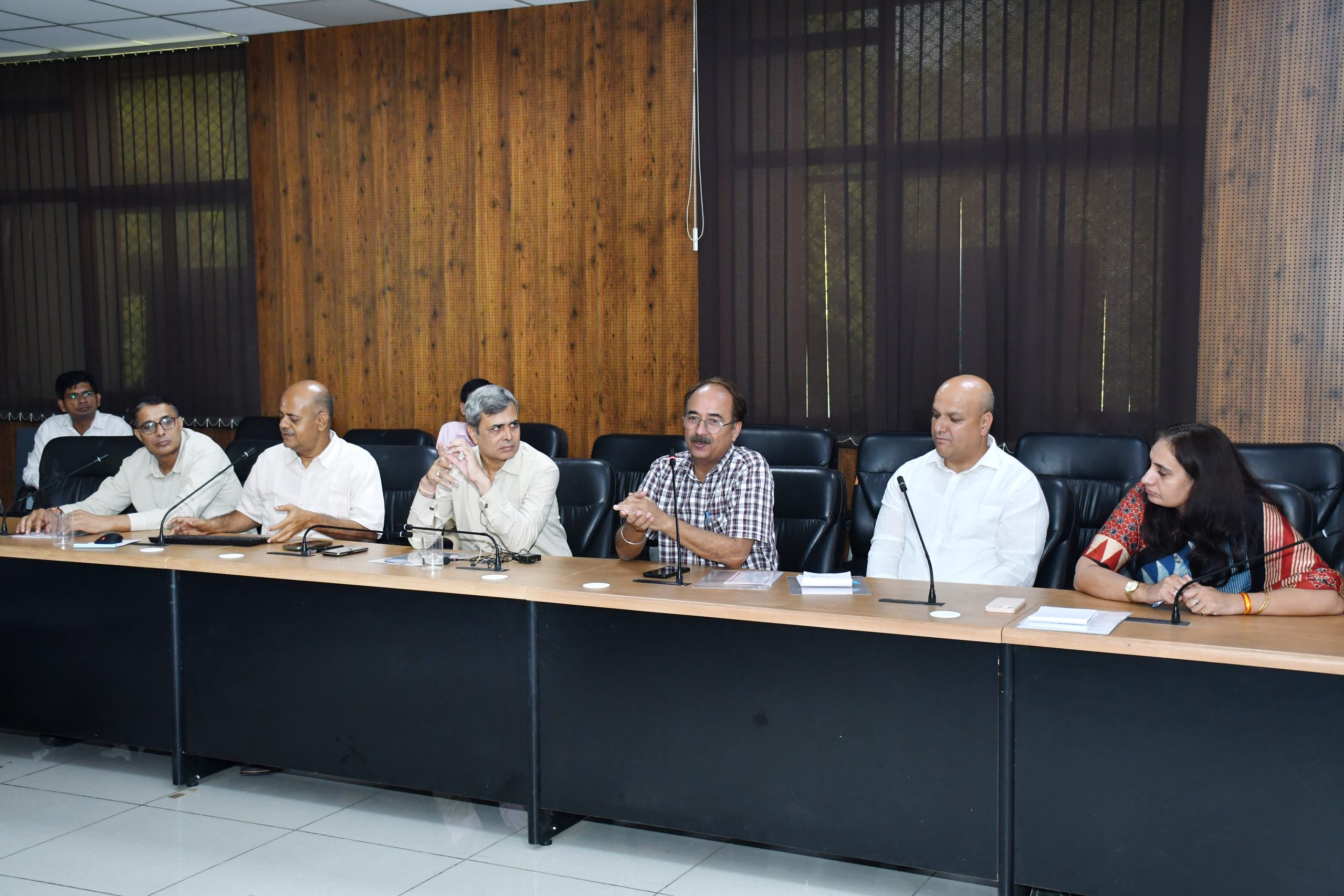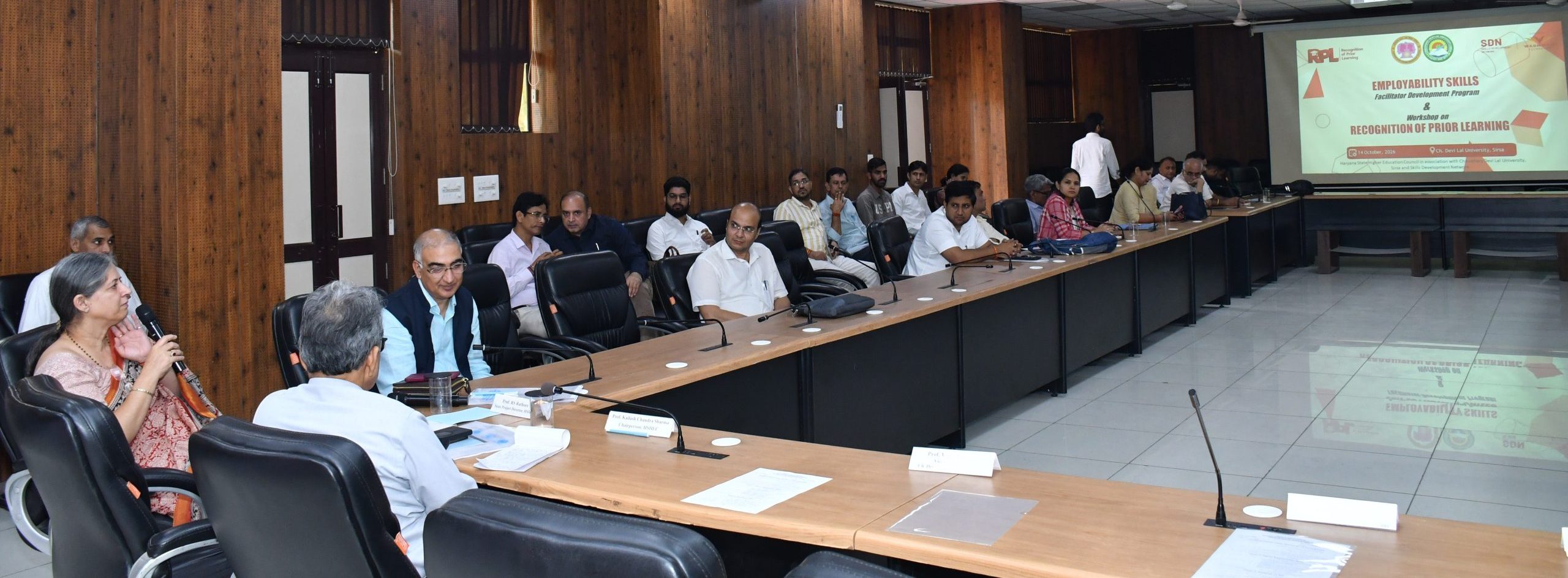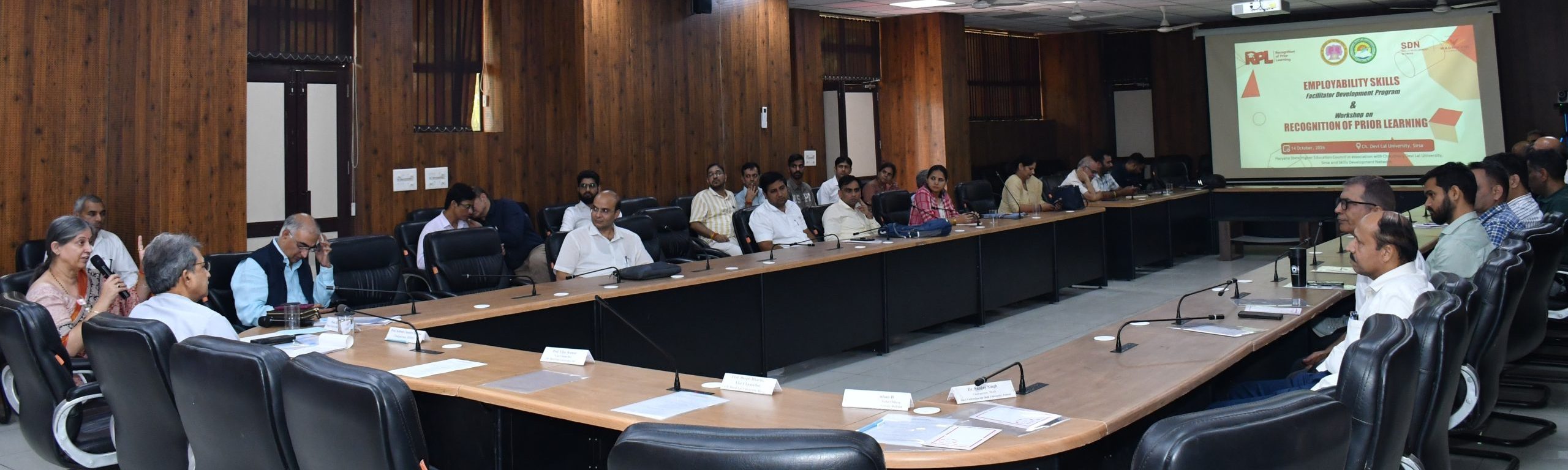

Workshop on Recognition of Prior Learning held at Ch. Devi Lal University, Sirsa
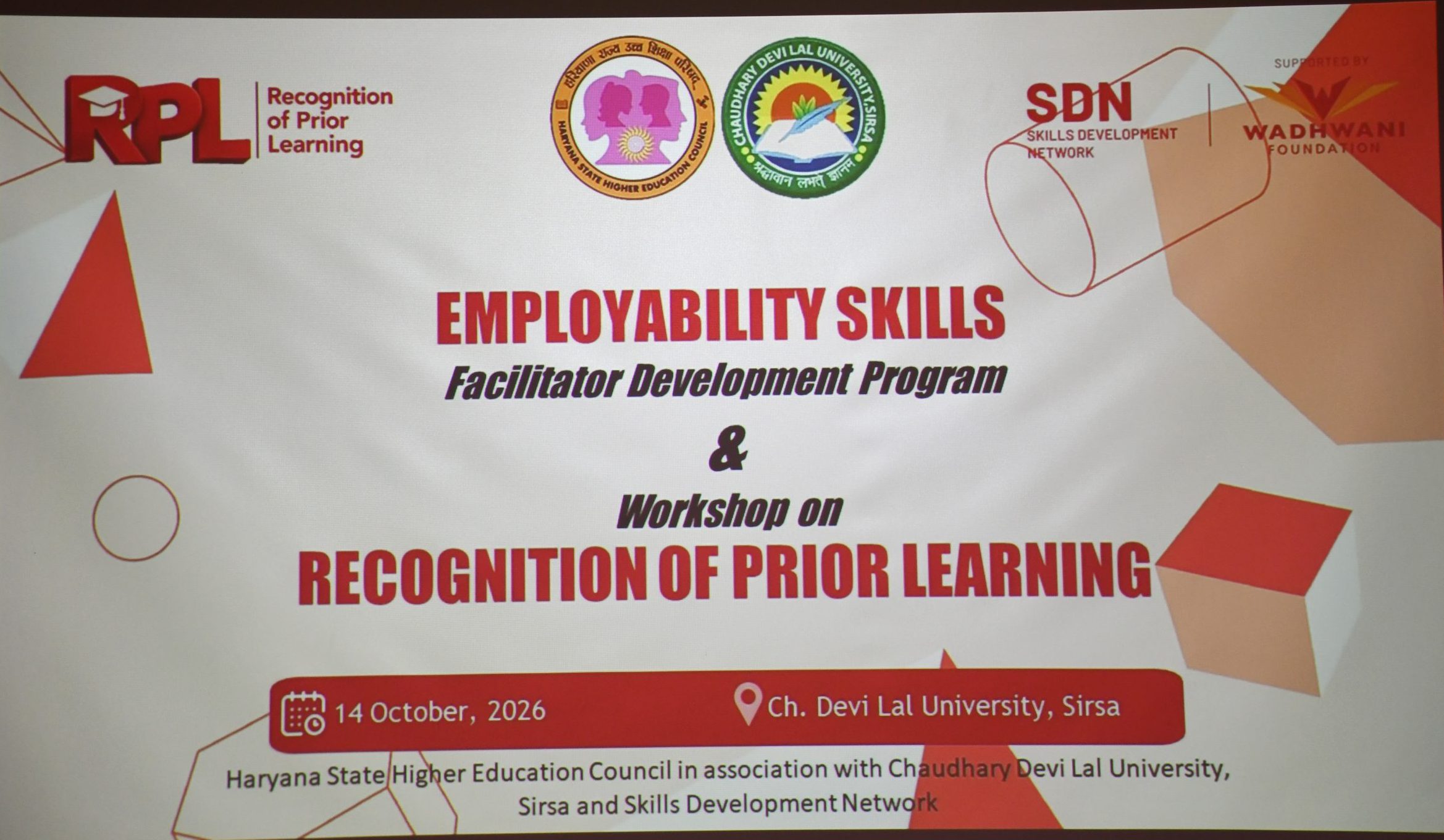
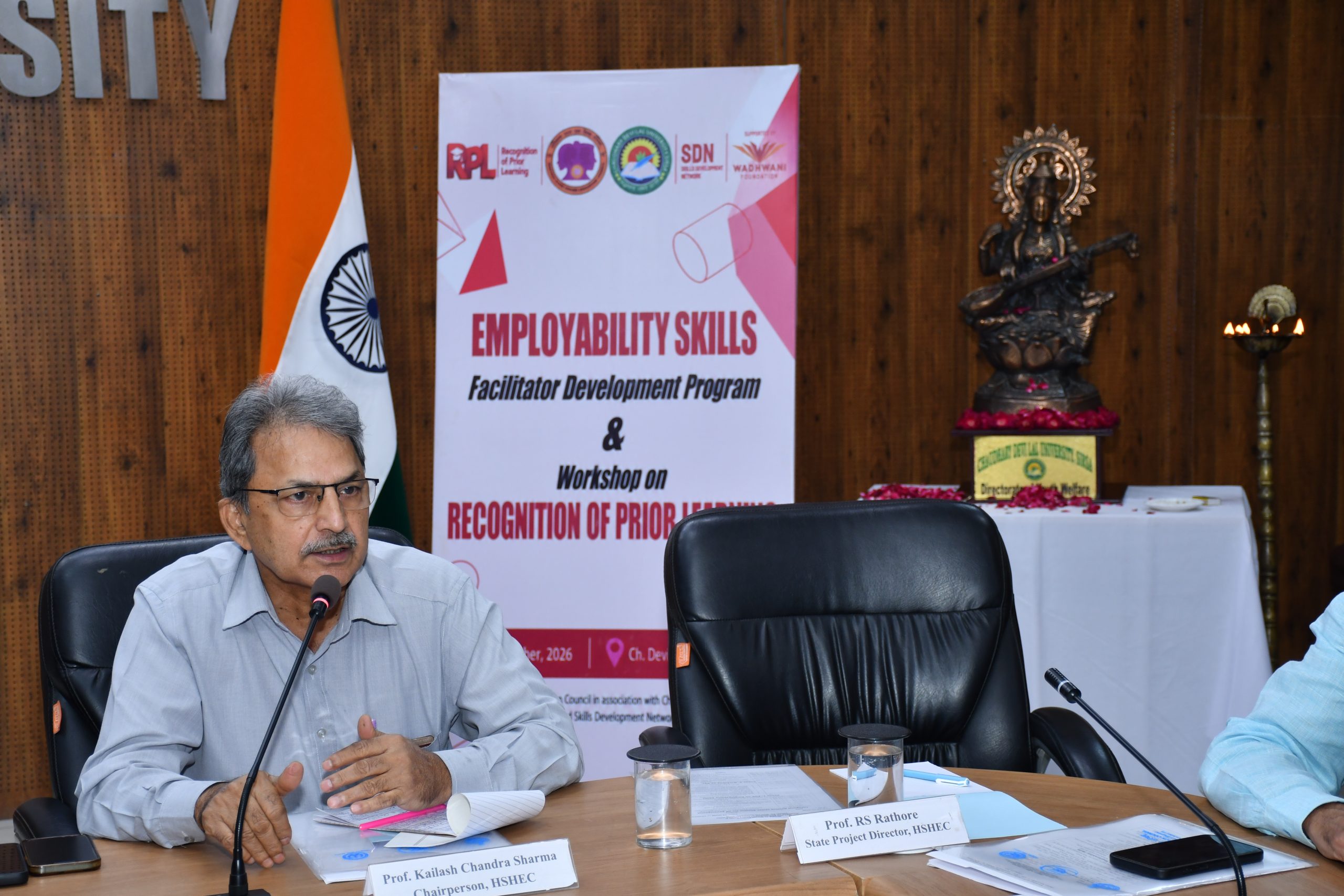
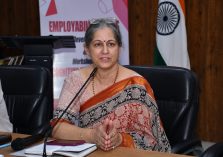
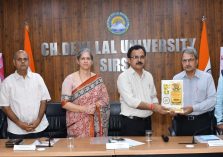
The Haryana State Higher Education Council (HSHEC) organised a workshop on Recognition of Prior Learning on 14th October 2026 at Ch. Devi Lal University, Sirsa. The workshop focused on sensitizing and a credible framework to validate non-formal and informal learning, thereby bridging the gap between practical skill acquisition and formal academic certification to enhance the overall employability of the workforce.
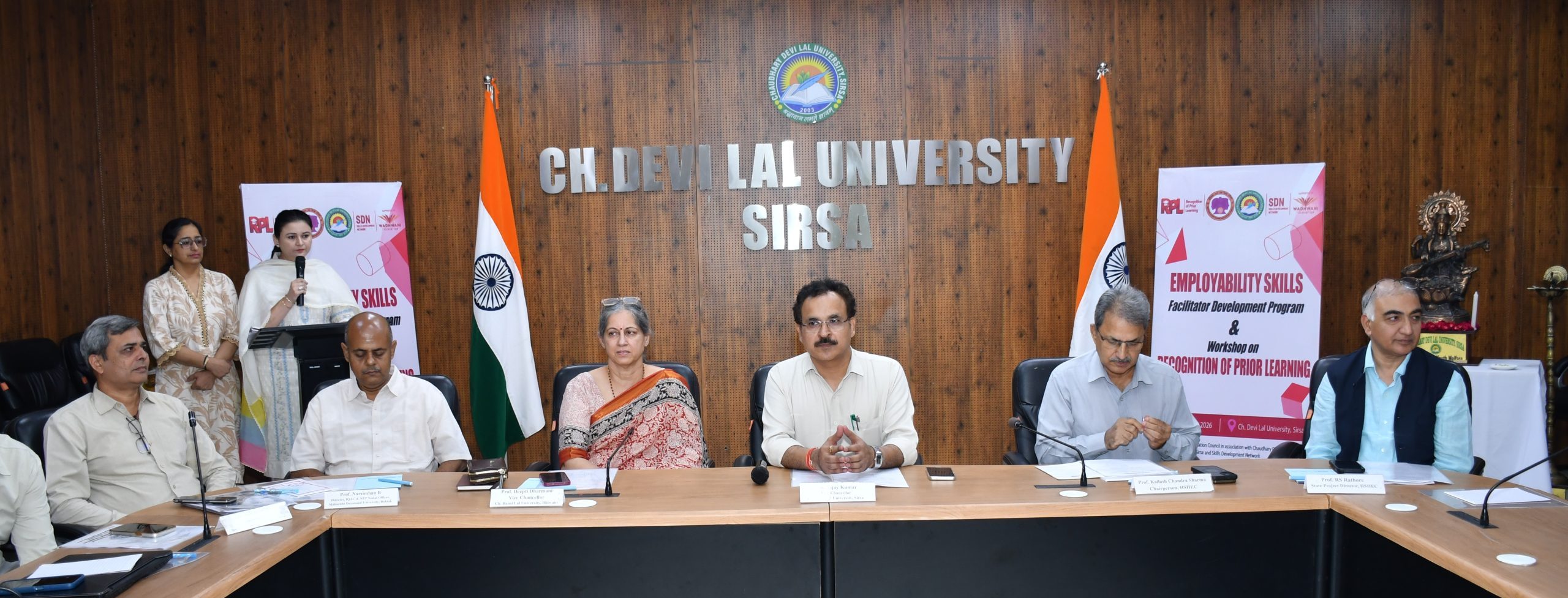
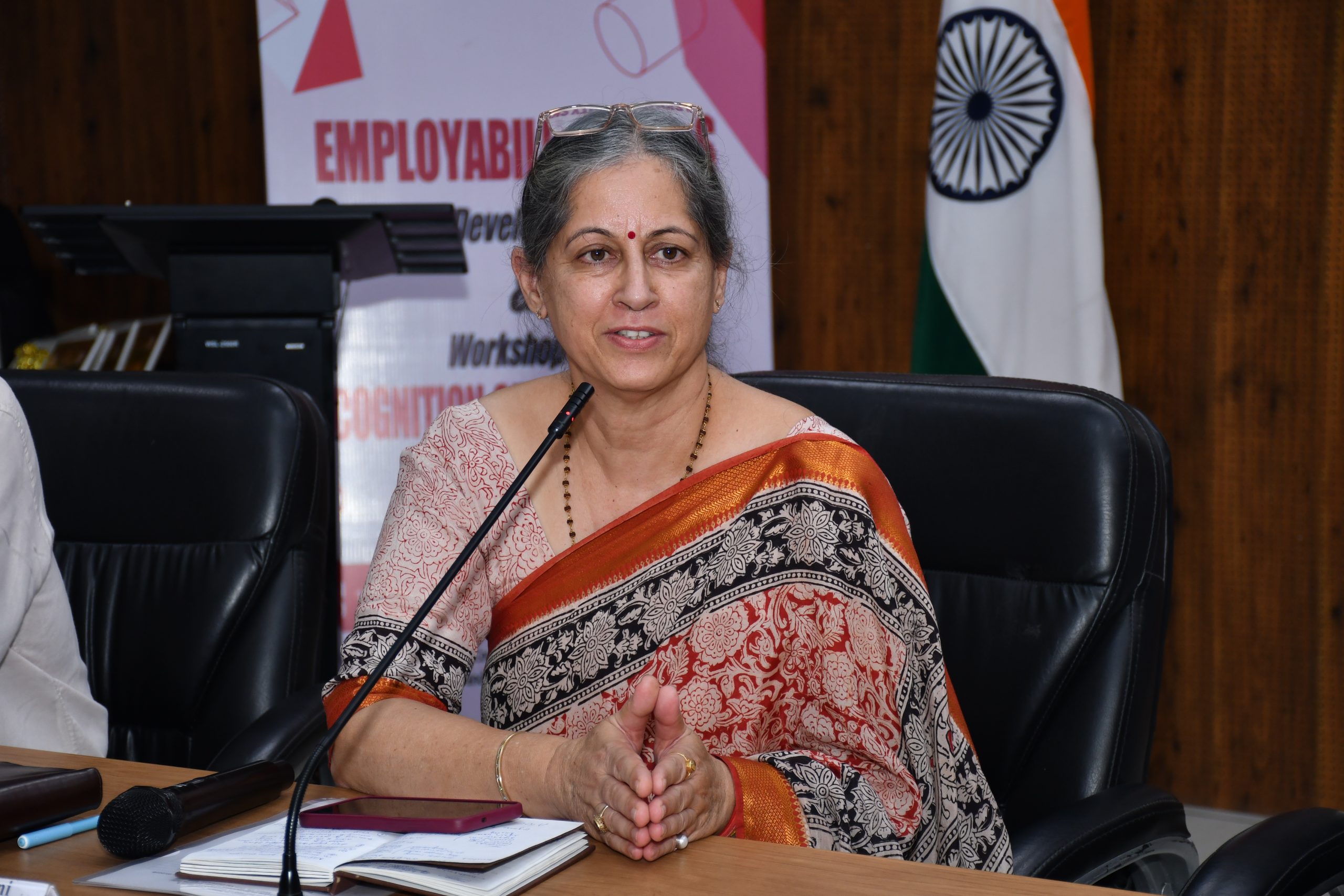
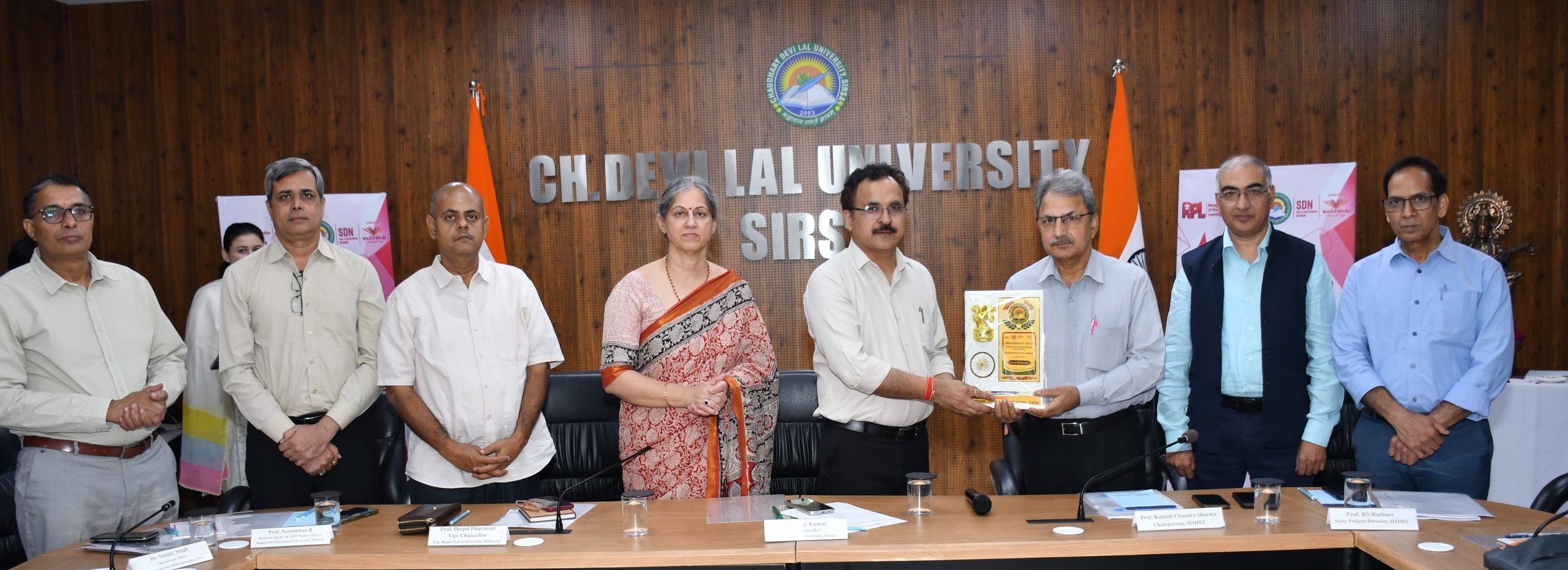
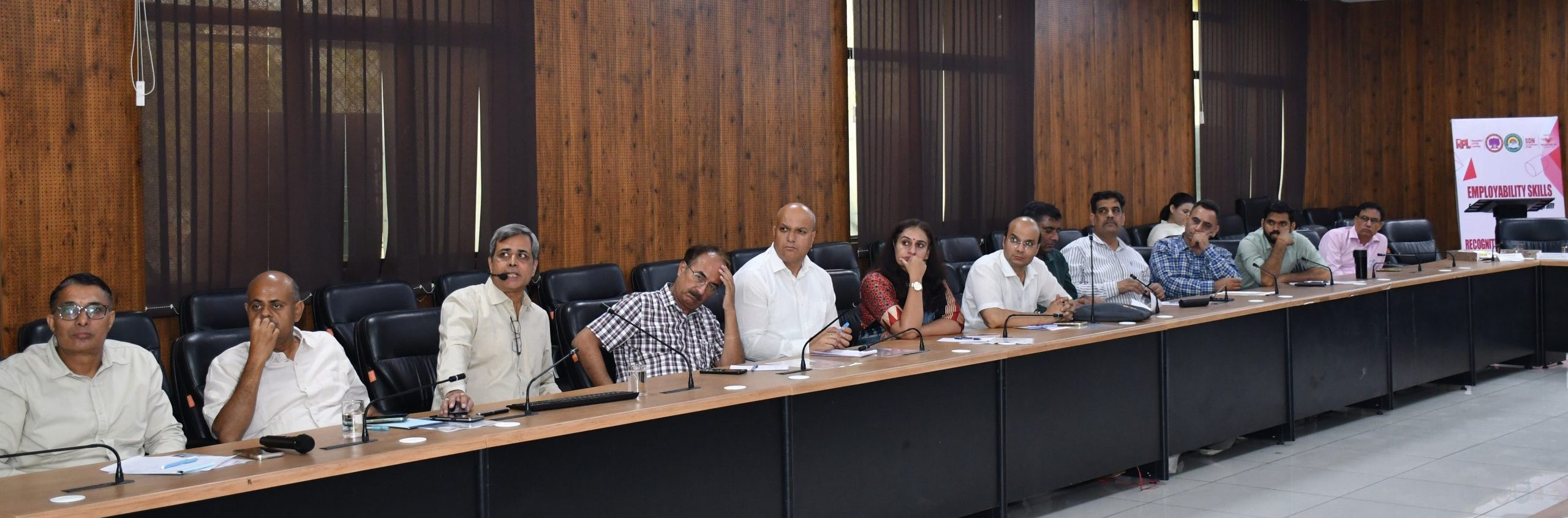
The workshop was graced by a distinguished panel of academic leaders and experts, including Professor K.C. Sharma, Chairperson of the Haryana State Higher Education Council (HSHEC); Professor Vijay Kumar, Vice-Chancellor of CDLU, Sirsa; Professor Deepti Dharmani, Vice-Chancellor of Chaudhary Bansi Lal University (CBLU), Bhiwani; and Professor R.S. Rathore, State Project Director, HSHEC. Professor Narasimhan B., Director, IQAC, Maharshi Dayanand University (MDU), Rohtak and Dr. Sanjay Singh, Chairperson, SDAS, Shri Vishwakarma Skill University (SVSU), Palwal were the technical resource person for the workshop. The workshop saw active participation from the Deans of Academic Affairs and RPL Nodal Officers of state-funded universities, who are responsible for the institutional integration and operational execution of these guidelines.
The technical program was structured into two comprehensive sessions designed to move from conceptual understanding to institutional governance. The first session, led by Dr. Sanjay Singh, detailed the core concepts of RPL, distinguishing between formal, non-formal, and informal learning pathways. This session emphasized the importance of mapping demonstrated competencies against Course Learning Outcomes (CLOs) and adhering to the UGC-mandated limit of 30% for RPL credits. A practical case study was utilized to illustrate the portfolio-based assessment process. Complementing this, the second session, conducted by Professor Narasimhan B., focused on the governance and quality assurance mechanisms required for credibility. This included the formation of RPL Assessment Committees, the creation of standardized assessment rubrics, and the phased implementation of a digital framework for portfolio management and record-keeping.
The workshop concluded with a clear set of action points for the participating universities to ensure successful implementation. Academically, each university is encouraged to identify at least one course in its area of specialization to be offered under RPL, ensuring that credits are awarded based on documented competencies rather than years of experience. To support these learners, institutions are tasked with developing bridge courses and flexible delivery schedules, such as evening or weekend classes. Administratively, universities should establish a formal institutional framework, including an RPL Assessment Committee and a transparent, time-bound appeal mechanism chaired by the Dean of Academic Affairs. Furthermore, the universities are encouraged to explore RPL for specialized sectors, including sports and traditional arts, while maintaining comprehensive records of all assessments for at least three years to ensure audit compliance and academic integrity.
View(4 MB)Photos
View All-
 Workshop on Recognition of Prior Learning held at Ch. Devi Lal University, Sirsa
-
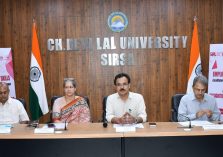 Workshop on Recognition of Prior Learning held at Ch. Devi Lal University, Sirsa
-
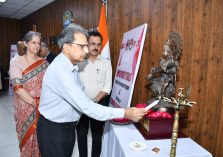 Workshop on Recognition of Prior Learning held at Ch. Devi Lal University, Sirsa
-
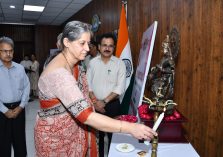 Workshop on Recognition of Prior Learning held at Ch. Devi Lal University, Sirsa
-
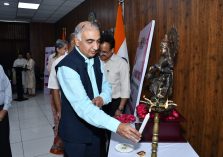 Workshop on Recognition of Prior Learning held at Ch. Devi Lal University, Sirsa
-
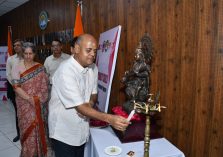 Workshop on Recognition of Prior Learning held at Ch. Devi Lal University, Sirsa
-
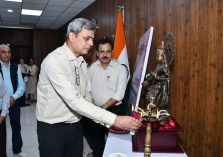 Workshop on Recognition of Prior Learning held at Ch. Devi Lal University, Sirsa
-
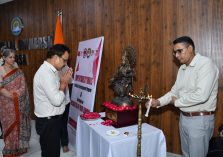 Workshop on Recognition of Prior Learning held at Ch. Devi Lal University, Sirsa
-
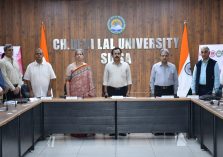 Workshop on Recognition of Prior Learning held at Ch. Devi Lal University, Sirsa
-
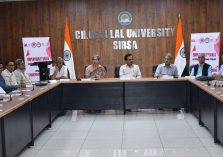 Workshop on Recognition of Prior Learning held at Ch. Devi Lal University, Sirsa
-
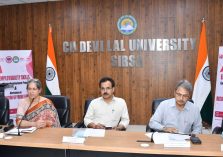 Workshop on Recognition of Prior Learning held at Ch. Devi Lal University, Sirsa
-
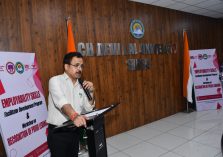 Workshop on Recognition of Prior Learning held at Ch. Devi Lal University, Sirsa
-
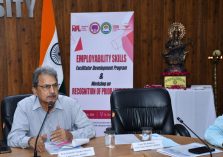 Workshop on Recognition of Prior Learning held at Ch. Devi Lal University, Sirsa
-
 Workshop on Recognition of Prior Learning held at Ch. Devi Lal University, Sirsa
-
 Workshop on Recognition of Prior Learning held at Ch. Devi Lal University, Sirsa
-
 Workshop on Recognition of Prior Learning held at Ch. Devi Lal University, Sirsa
-
 Workshop on Recognition of Prior Learning held at Ch. Devi Lal University, Sirsa
-
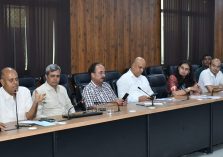 Workshop on Recognition of Prior Learning held at Ch. Devi Lal University, Sirsa
-
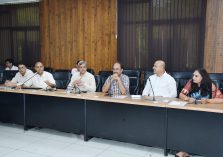 Workshop on Recognition of Prior Learning held at Ch. Devi Lal University, Sirsa
-
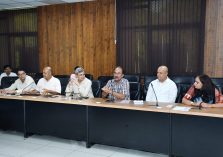 Workshop on Recognition of Prior Learning held at Ch. Devi Lal University, Sirsa
-
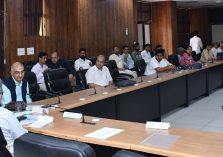 Workshop on Recognition of Prior Learning held at Ch. Devi Lal University, Sirsa
-
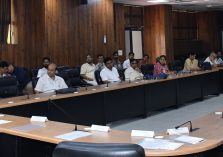 Workshop on Recognition of Prior Learning held at Ch. Devi Lal University, Sirsa